
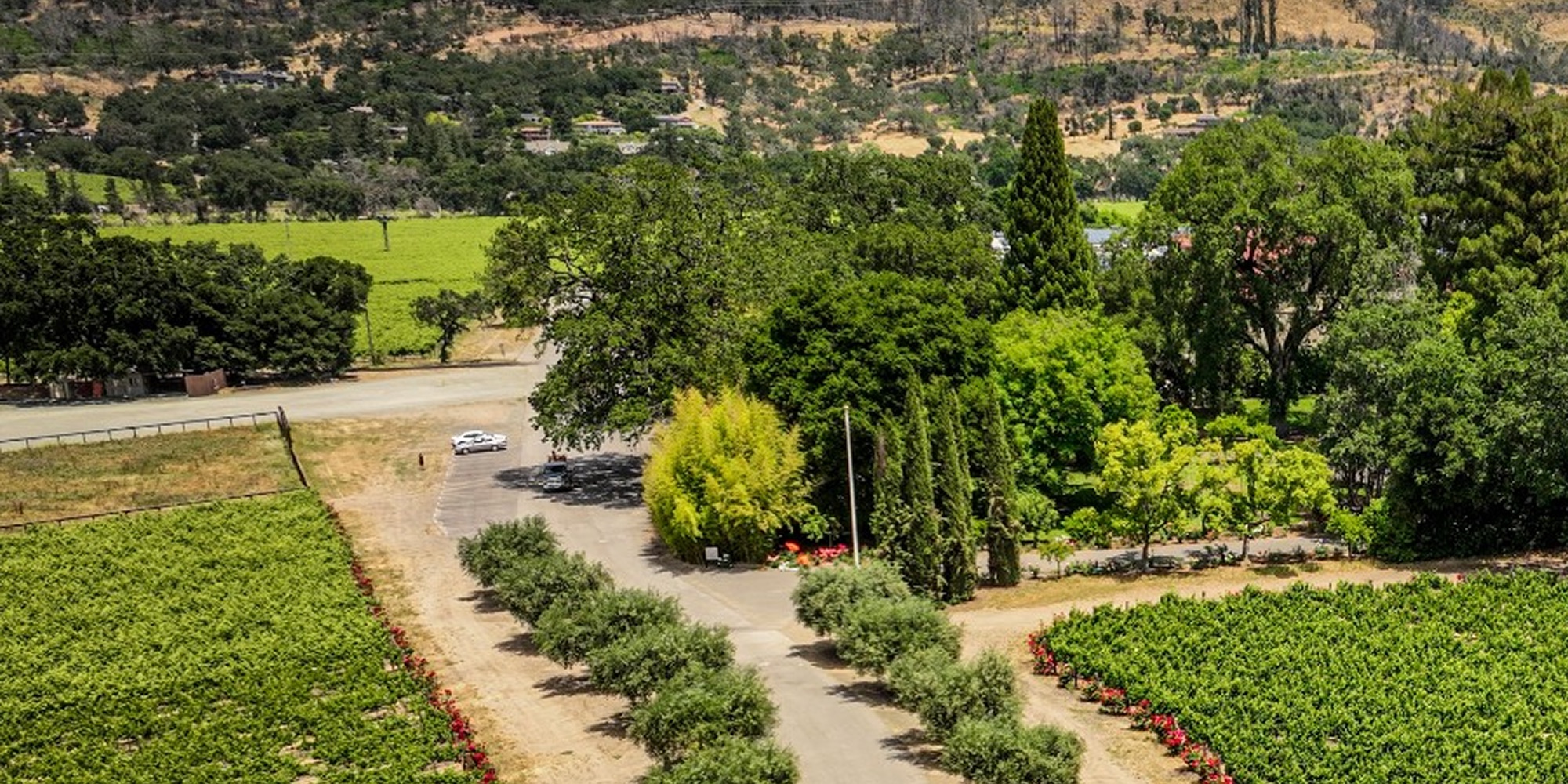
The tasting room remains the most effective customer acquisition channel a winery has. Nothing replaces walking the vineyard, meeting the team, tasting the wines, and experiencing the hospitality behind the brand. But it doesn't have to be the only place a relationship begins.
“We will continue to struggle if we continue to fish from the pond that has increasing amounts of fishermen. We're so focused on getting people to the tasting room, focused on selling them, fighting over this same thing. There's a huge country of people who aren't getting on a plane and coming to Napa. How can we lower the risk aversion and get the value exchange across the fence so that someone that's never going to get on a plane will buy?”
Paul Mabray, COO, Pour Now
That doesn't mean the tasting room is less important. It means wineries have an opportunity to think beyond geography, viewing the tasting room as a chapter in a much larger story.
Customers Buy Situationally, Not in Sales Channels
All businesses, but wineries in particular, tend to naturally organize around sales channels. There's the tasting room, wine club, ecommerce, and wholesale, each with its own goals, metrics, and teams responsible for growing it.
On paper, that structure makes perfect sense. Customers, however, don't see any of it.
They aren't deciding whether they want to support your DTC business or strengthen your wholesale relationships. They're trying to find a bottle for dinner tonight, they want to send a gift, or they discovered your wine while traveling and want to buy it again when they get home.
That customer-first mindset is something digitally native brands have embraced for years. They think in terms of the customer journey, with each channel serving a different purpose based on what the customer needs at that moment.
As Paul puts it, “Our job as the brand is to help the shopper buy the product the way they want to buy the product, and make it easier, not harder. Part of making it easier is understanding that the shopper may have a different need depending on what their day looks like.”
Start by mapping the three or four most common situations that lead someone to buy your wine. For each, ask what the customer needs at that moment and what the easiest next step should be. Then look at your current campaigns and website experience and decide if you’re directing every customer toward the same destination, or varying the messaging and CTA depending on the situation.
- “I need wine for dinner tonight.” A new customer seeing a social ad may be better served by finding a nearby retailer than waiting for a shipment.
- “I’ve had this bottle before and love it.” A repeat purchaser may be ready to join the wine club, making membership benefits the more relevant next step.
- “We’re planning a weekend in wine country.” A seasonal campaign might give someone a reason to visit the winery and experience the brand in person.
The best DTC brands understand there isn’t a singular customer journey that works for every buyer. They identify the situations that drive customers to purchase and build the easiest path for each situation.
Understand the Customer Before Choosing the Channel
In a previous conversation with WISE's Liz Mercer, we talked about how the best wineries build a culture of collecting the right data and using it to improve the customer experience. Every useful piece of information should change what happens next.
That same principle applies here. The wine industry has decades of intuition and experience, and that's a tremendous advantage. Winery teams know their customers, their wines, and how to create incredible hospitality. But today's customer behaves differently than they did five years ago, or even six months ago, and assumptions that once felt obvious deserve to be tested.
Paul tells a story of a brand he used to work with: “We had a brand that was primarily marketing toward Hispanic men between 25 and 35 in urban areas. Once they started testing and looking at what actually converted, they discovered their highest-performing audience was women between 35 and 45 who were using the product in recipes at home. Before that, they didn’t really know what converted, they were guessing.”
Start with the conversations you're already having. Ask tasting room guests where they typically buy wine, if they always buy the same varieties, and how they found your winery and what made them visit you instead of another winery.
Then build that same feedback loop into your digital experience. A short quiz can capture preferences and buying occasions. Post-purchase surveys can tell you why someone bought and what they're likely to want next. Purchase history can help you personalize what they see next.
Be sure to use Paul’s favorite form of customer research: “Would you be a member of your own wine club? The mirror is so important. You'd be surprised at how many brands haven't ever tried to buy wine from themselves. It changes the dimensions of how they shop when you think about what that feels like.”
The goal of collecting data is to affect the next step of the customer relationship in a positive way. Replace assumptions with a clearer understanding of what customers are trying to accomplish, then use that understanding to decide what experience, message, or channel should come next.
Loyalty Should Follow Customers Home
For the brand, loyalty comes down to increasing lifetime value and reducing churn. Wineries want members to stay members for as long as possible, but too often the benefits aren't designed to become more valuable as the relationship continues.
Traditional loyalty often comes in the form of points that rarely get used, a standard percentage discount, or a gift like a bottle opener or wine glass. Those can all provide value, but they don't necessarily give someone a reason to feel more invested in the program over time.
The best loyalty programs do three things extremely well:
- Create value between purchases
- Become part of a customer's everyday life
- Build in value as time goes on
Paul shared a fantastic example of a winery that sends members one high-quality steak knife every year they stay subscribed. Stay long enough and you've built a complete set. The reward lives in the customer's home, becomes more meaningful every year, and gives them something tangible to look forward to.
On a personal note, I am a member at a winery that has kept me as a member through both of my pregnancies, even during long stretches when I wasn't drinking wine. Their loyalty program rewards tenure by increasing my discount every year I remain a member. After a few years, I've built up enough value that canceling means giving up a benefit I've spent years earning. Rather than simply incentivizing my next purchase, they've given me a reason to preserve the relationship for the long term.
Neither idea is revolutionary because of the reward itself. They’re memorable because they acknowledge that loyalty is built over time.
That's something digitally native brands understand exceptionally well. They think about customer lifetime value every day, asking, "Why should someone still be excited to hear from us six months from now? Two years from now?" The answer is rarely another discount. It's creating ongoing value that strengthens the relationship over time.
True retention is built when a loyalty program creates value that becomes harder to walk away from as the relationship grows.
Closing
Wine clubs have an advantage many DTC subscription businesses would love to have. They're built around products with stories, places with emotional connections, and customers who genuinely want to belong.
The opportunity is to combine those strengths with what the best DTC brands do so well: meet customers in the situations where they actually buy, listen to what their behavior tells you, and create loyalty that becomes more valuable over time.
Paul and the team at Pour Now are helping wineries rethink how customers discover and purchase wine. Pour Now just launched, with a Shopify app coming soon. Learn more here.